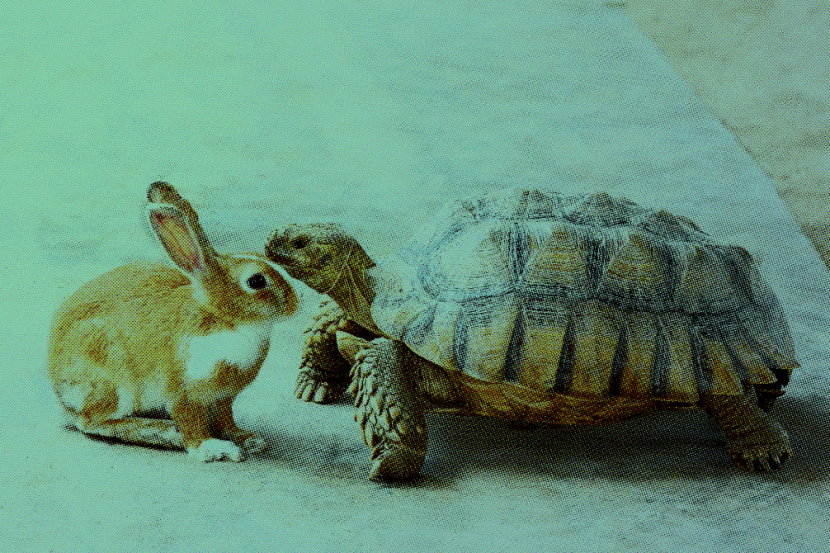
Making AI Actionable - The Story of the Tortoise and the Hare
It appears that nonprofits have two options when it comes to A.I in the non-profit space. Some believe:
- The product (A.I.) should be easy to use and accessible to everyone
- Data is complicated and needs to be maintained therefore, AI is a long-term play
It is clear that AI is something that is coming to the nonprofit sector, and whether you believe an easy solution will help your team or a more complex solution requiring strategic investment, it is important to understand how it works.
In order to make AI easy, you have to limit the types of data that the machine can consider when making decisions. This works well because many non-profit databases have holes in them, so building something based on realistic data sets requires fewer types of data.
On the other hand, data is complicated, and the systems that are likely to last build your data for you. They change behaviour so that capturing data is considered something of value.
Easy AI works a lot like building a computer that can beat humans at chess. While a human may not be able to see the thousands of moves that are available, a computer easily can because the data set is relatively small.
Complicated loyalty programs use machine learning and build data sets, but in the beginning, building these programs to create customer segments is very similar. A 2016 study found that customers who are members of loyalty programs, such as frequent flier clubs, generate between 12 and 18 percent more revenue than non-members.
Some people believe that consumer behaviour and that of donors are very different. There are certainly some differences, but in terms of retention and increasing lifetime value, both rely on personalization and capturing behavioural data. This requires living, breathing data that will require human effort.
It is fair to summarize that the easy-to-use solutions will be more transactional and that a long-term donor loyalty program will require building actual relationships.
While these programs take longer to implement, they are often more sustainable and more valuable over the long term.
Regardless of which option is right for your organization, be very wary of big claims being sustainable and know that anything not requiring effort from your team probably has a shorter shelf life.

Article by Rachel Crosbie
Published 23 May 2020